Mobile PayID Pokies: iPhone & Android
Most pokies play is on a phone now, and the mobile experience is a whole different animal to desktop. Here's what actually works, what breaks, and the small fixes for the things that break most often.
Where Mobile Actually Diverges from Desktop
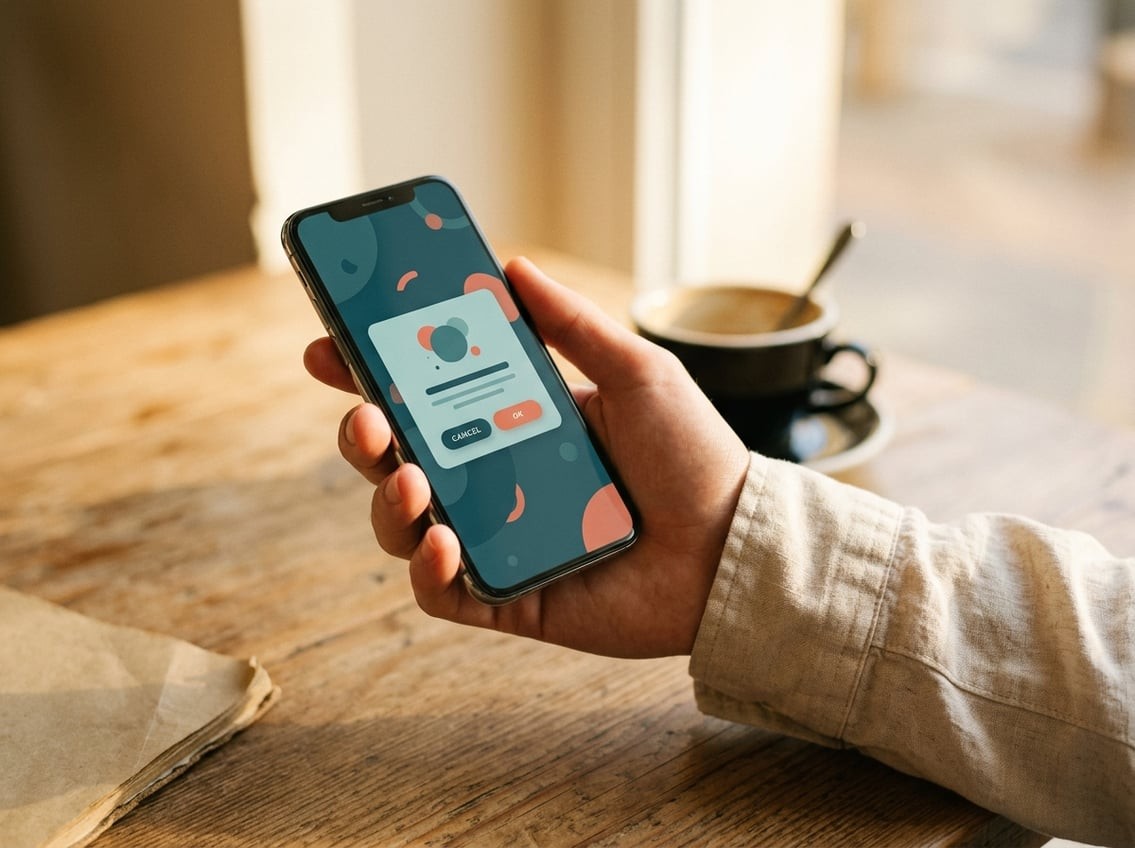
The payid pokies desktop experience is a browser tab and a separate desktop banking app or web-based bank login. The mobile experience is a native app hop — pokies site opens the banking app, banking app authenticates you with biometrics, banking app returns you to the pokies site with the transfer done. Sub-fifteen-second round trip when it works.
That app-hop is where the entire experience lives. Everything I'm going to describe below is either an artefact of it working well or an artefact of it breaking.
iPhone Versus Android in Practice
Broadly, the two platforms handle this well now. The iPhone banking apps I've tested — CommBank, ANZ, NAB, Westpac, Up, ING — all support the deep-link that lets the pokies site invoke them directly with a pre-filled PayID and amount. Android is the same except with a slightly different handoff mechanism under the hood.
The one difference worth naming is Face ID versus fingerprint. On iOS, Face ID has become the default and the confirmation is essentially instant — you glance at the phone and you're through. On Android, fingerprint is more common and the tactile "put your thumb on the sensor" step adds maybe two seconds. In neither case is the biometric acting as a pause. It's just an authentication mechanism dressed up as friction.
Older phones and older banking apps
If your phone hasn't been updated in a couple of years, or your banking app is out of date, the app-hop can fail in less-than-graceful ways. The pokies site launches your banking app, but the banking app has no idea what to do with the incoming link, so it opens to its home screen and leaves you to type the PayID and amount manually. Not the end of the world, but not the flow the marketing materials describe.
The Session-Deposit Prompt Nobody Talks About
Some operators — increasing in number — have added in-session deposit prompts to the mobile experience. When your balance falls below a preset threshold, a small overlay appears offering a one-tap top-up via PayID, with the previous amount pre-filled. Tap, biometric, done.
This is the single most consequential design pattern in the current wave of mobile pokies. It compresses the entire deposit decision into two or three seconds, at the exact moment when a player has just lost their previous balance. The behavioural literature on gambling harm has plenty to say about this. What it says is that fast, easy top-up in the middle of a losing session is where a great deal of the actual damage happens.
If your operator surfaces this prompt and you find yourself tapping it, that's a signal worth taking seriously. Turning it off inside settings, where the option exists, is a low-cost self-protective step.
What operators are actually testing
The design pattern isn't accidental. Operators A/B test these prompts against player-lifetime-value curves and iterate on the timing, wording, and offer amount. The version you're seeing has been optimised — for the operator's revenue, not for your wellbeing. Understanding that framing changes how the prompt reads. It is not a helpful reminder. It is a call to action calibrated for the moment your resistance is lowest.
The workaround the operators hate
Some players report that setting a deposit limit inside the operator's responsible-gambling settings will suppress the in-session prompt entirely, because tapping it would exceed the limit. Whether this works depends on how each operator has implemented the interaction, but it's worth testing.
"Fast, easy top-up in the middle of a losing session is where a great deal of the actual damage happens." From this article
What Breaks on Mobile
Deposit reference truncation is the most common thing. Some banking apps clip the description field at fewer characters than the pokies site was expecting, and the reference the operator needs to reconcile your transfer gets cut off. The funds arrive but sit in an orphan queue until a human matches them manually. This delays your credit by anywhere from ten minutes to a few hours.
The fix
If you can, copy the full reference from the pokies cashier and paste it into the description field of the banking app. Don't type it — auto-fill sometimes drops characters. If your bank's app is one of the notorious truncators, use the transfer notes section or send the reference to the operator's support chat immediately after depositing so they can match it on their side.
Session timeouts mid-hop
You tap deposit on the pokies site, the banking app launches, you take slightly too long to authenticate, and when you return the pokies session has expired. You now have a completed transfer that has no session to credit into. This is a reconciliation problem, not a lost-funds problem — support will match it — but it introduces friction the marketing wouldn't want you to know about.
Battery, Signal, and the Small Things
The stupid failure modes matter on mobile in a way they don't on desktop. Losing signal mid-hop. Battery dying between authenticating in the banking app and being handed back to the pokies site. A notification interrupting Face ID and requiring re-authentication. None of these lose you money in the technical sense but any of them can produce a mismatched state where the pokies site thinks the deposit failed and the banking app has already sent the funds. Every mobile-first operator has a "my deposit is missing" flow in support. That flow exists because these situations are common.
Playing While Not on Wi-Fi
Mobile data works fine for the deposit itself — the amounts of data involved are tiny. Where it can matter is if you're playing during the transfer and losing signal at the wrong moment. Some pokies clients handle connection drops well, showing you a "reconnecting" state and picking up where you left off. Others don't, particularly on the older HTML5 clients that many operators still run. If a signal drop during a spin loses you the outcome of that spin, you'll have to raise it with support — usually it can be reconstructed from the server-side game log.
What to do if a spin dies mid-flight
Take a screenshot of the game state as soon as you get back online. Note the timestamp. Contact support the same day if possible, since operators run automated log rotation and older sessions become harder to reconstruct as time passes. The vast majority of legitimate operators will resolve this in the player's favour — the game log knows what the outcome was and paying it out is administratively cheaper than arguing about it.
Portrait, Landscape, and How Games Actually Perform
Most modern pokies clients auto-rotate between portrait and landscape and render decently in both. A few older titles are still built for landscape and force a rotation prompt in portrait, which is a small annoyance but not more than that. The trickier issue is animation performance on mid-range Android phones. Some operators run heavy WebGL-based clients that stress older GPUs, resulting in choppy spin animations, dropped frames, or occasional freezes. This is a game-client problem, not a rail problem, but it affects the experience.
If your phone is more than three or four years old and pokies feel sluggish, try the operator's "lite" version if they offer one. Some do. The reduced visual effects are strictly cosmetic — the game outcomes are the same, generated on the server side — but the mobile experience is materially better on older hardware.
Landscape depositing on foldables
Foldable phones present a genuine edge case. Some banking apps handle the fold-to-tablet-view transition well and stay authenticated across the geometry change. Others log you out and require re-authentication. If you're mid-deposit when this happens, the flow can break in creative ways. Standard advice: complete the deposit in the geometry you started it in.
Native Apps Versus Mobile Web
Australian-facing offshore operators generally do not have iOS or Android native apps in the official stores, because Apple and Google have policies against real-money gambling apps for jurisdictions the operator isn't licensed in. What they have instead is a "web app" — a mobile-optimised website that lives in your browser and can be added to your home screen as an installable shortcut.
The mobile web experience is usually fine. Occasionally an operator will have you download an APK (Android) or a configuration profile (iOS) to install their app outside the official stores. I'd think twice about doing that. The security implications are non-trivial and the benefit over just using the mobile website is usually small.
The specific risk of sideloaded gambling apps
Installing an APK or profile from outside the official app stores means you're trusting the operator's supply chain — not Apple's or Google's — with a piece of software that runs on the same device as your banking app. A compromised or malicious build could, in theory, read notifications, screenshot your screen, or intercept credentials in ways a normal website simply cannot. The risk is small at reputable operators and non-zero at less-known ones. My default is to use the mobile web version and add it to the home screen. That gives me most of the "app-like" experience without any of the sideload trust question.
Push Notifications and What to Turn Off
If you've added a pokies site to your home screen and permitted notifications, expect them. New promotions, tournament reminders, "come back and play" nudges — some operators are extremely liberal with their notification policies. Turn these off in your phone's settings. There is no benefit to the notifications that outweighs the harm of receiving them at the moment they're calibrated to matter most, which is usually when you're bored or vulnerable.
The same goes for email marketing. Unsubscribe from everything the operator sends that isn't transactional. Legitimate operators respect unsubscribe requests; the rest are already flags.
Screen Time, Focus Modes, and Self-Imposed Friction
iOS Screen Time and Android Digital Wellbeing both let you set daily time limits on specific apps and websites. Setting a hard limit on the mobile web address of your preferred pokies operator is a legitimate self-protective step and it works — the browser will refuse to load the site after the limit is reached. The cooling-off period on raising the limit is designed to give you a chance to reconsider.
Focus modes work similarly. Setting up a "Not Now" mode that blocks pokies-adjacent apps and sites during hours when you know you'd otherwise be depositing impulsively is essentially free and it can be surprisingly effective.
Common Questions
Can I use PayID at pokies sites on my iPad or is it phone-only?
PayID transfers work from any device that runs your banking app, so iPads with the banking app installed handle it fine. The mobile-optimised pokies sites work well on iPad in landscape. The one wrinkle is that some iPad banking app versions don't have the same deep-link handoff as the iPhone versions, so the app-hop may need a manual switch. Not a dealbreaker, just an extra tap or two.
Does the operator see anything different about a mobile PayID transfer versus desktop?
The operator receives the same payment record regardless of which device you initiated the transfer from. What they do see, separately, is which device your pokies session was running on. This is used for fraud detection, not for pricing or bonus eligibility, so it shouldn't materially affect you either way.
Why does my banking app show a different name for the operator than I expected?
PayID displays the registered name of the receiving account. That name is often the operator's registered corporate entity, which may not match the trading name on the pokies site. This is legal and common. If the names look completely unrelated, though — not just a corporate-entity variant of the brand — that's worth checking with support before you confirm the transfer.
Should I use my phone's password manager to save my pokies account credentials?
Yes, and specifically use a proper password manager rather than the browser's built-in save. Pokies accounts hold spendable funds and password reuse across gambling sites is materially riskier than across low-stakes accounts. A unique, generated password for each pokies account, stored in a manager with two-factor authentication, is a five-minute setup that eliminates most account-takeover risk.
Responsible gambling
18+For Australian adults. This is not encouragement to deposit and it is not advice on how to profit at gambling, which cannot be given honestly.
Gambling Help Online — 1800 858 858 (free, 24 hours, anonymous). Lifeline 13 11 14.